In the treatment of advanced prostate cancer (APC) with hormone therapy

Why Wait to Lower Testosterone?

It Drops THAT Fast

FIRMAGON® (degarelix for injection) the first GnRH receptor antagonist to treat advanced prostate cancer is proven to drop T on day 1.1,2

PRIMARY ENDPOINT: FIRMAGON maintained testosterone suppression below castration level (≤50 ng/dL) over 364 days of treatment.3

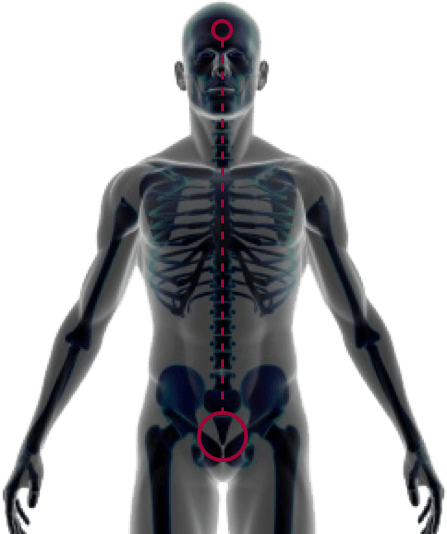
View of where Firmagon® works in the body.

BE DIRECT

FIRMAGON, a GnRH antagonist, directly blocks the pituitary GnRH receptors1
See MOA

HEAR FROM A UROLOGIST

See How It Works

HEAR FROM A UROLOGIST


FIRMAGON is approved for all stages of APC

FIRMAGON is proven to suppress T in all stages of APC3

Learn More
 

More Than Medicine

Helping you help your patients.
Get Firmagon Support

HEAR FROM A UROLOGIST

Get Support

HEAR FROM A UROLOGIST

Abbreviations: GnRH = gonadotropin-releasing hormone; T = testosterone.

REFERENCES: 1. FIRMAGON [package insert]. Parsippany, NJ: Ferring Pharmaceuticals Inc. 2. Data on file. Ferring Pharmaceuticals Inc. 3. Klotz L, Boccon-Gibod L, Shore ND, et al. The efficacy and safety of degarelix: a 12-month, comparative, randomized, open-label, parallel-group phase III study in patients with prostate cancer. BJU Int. 2008;102(11):1531-1538.

+
-

FIRMAGON® (degarelix for injection) – HCP Important Safety Information

Indication

FIRMAGON® (degarelix for injection) is a GnRH receptor antagonist indicated for treatment of patients with advanced prostate cancer.

Important Safety Information

Contraindication

FIRMAGON is contraindicated in patients with a history of severe hypersensitivity to degarelix or to any of the product components.

Warnings and Precautions

Hypersensitivity Reactions

Hypersensitivity reactions, including anaphylaxis, urticaria, and angioedema, have been reported post-marketing with FIRMAGON. In case of a serious hypersensitivity reaction, discontinue FIRMAGON immediately if the injection has not been completed, and manage as clinically indicated. Patients with a known history of severe hypersensitivity reactions to FIRMAGON should not be re-challenged with FIRMAGON.

QT Interval Prolongation

Androgen deprivation therapy (ADT) may prolong the QT interval. Providers should consider whether the benefits of ADT outweigh the potential risks in patients with congenital long QT syndrome, congestive heart failure, frequent electrolyte abnormalities, and in patients taking drugs known to prolong the QT interval. Electrolyte abnormalities should be corrected. Consider periodic monitoring of electrocardiograms and electrolytes.

Laboratory Testing

Therapy with FIRMAGON results in suppression of the pituitary gonadal system. Results of diagnostic tests of the pituitary gonadotropic and gonadal functions conducted during and after FIRMAGON may be affected. The therapeutic effect of FIRMAGON should be monitored by measuring serum concentrations of prostate-specific antigen (PSA) periodically. If PSA increases, serum concentrations of testosterone should be measured.

Embryo-Fetal Toxicity

Based on findings in animal studies, FIRMAGON can cause fetal harm and loss of pregnancy when administered to a pregnant woman. In animal developmental and reproductive toxicity studies in rats and rabbits, oral administration of degarelix during organogenesis caused embryo-fetal lethality and abortion as well as increased post-implantation loss and decreased the number of live fetuses in animals at doses less than the clinical loading dose based on body surface area. Advise pregnant patients and females of reproductive potential of the potential risk to the fetus.

Adverse Reactions

The most common adverse reactions (≥10%) during FIRMAGON therapy are injection site reactions (e.g., pain, erythema, swelling or induration), hot flashes, and increases in serum levels of transaminases and gammaglutamyltransferase (GGT). The majority of the adverse reactions were Grade 1 or 2, with Grade 3/4 adverse reaction incidences of 1% or less.

Please see full Prescribing information.

FIRMAGON® (degarelix for injection) – HCP Important Safety Information

Indication

FIRMAGON® (degarelix for injection) is a GnRH receptor antagonist indicated for treatment of patients with advanced prostate cancer.

Important Safety Information

Contraindication

FIRMAGON is contraindicated in patients with a history of severe hypersensitivity to degarelix or to any of the product components.

Warnings and Precautions

Hypersensitivity Reactions

Hypersensitivity reactions, including anaphylaxis, urticaria, and angioedema, have been reported post-marketing with FIRMAGON. In case of a serious hypersensitivity reaction, discontinue FIRMAGON immediately if the injection has not been completed, and manage as clinically indicated. Patients with a known history of severe hypersensitivity reactions to FIRMAGON should not be re-challenged with FIRMAGON.

QT Interval Prolongation

Androgen deprivation therapy (ADT) may prolong the QT interval. Providers should consider whether the benefits of ADT outweigh the potential risks in patients with congenital long QT syndrome, congestive heart failure, frequent electrolyte abnormalities, and in patients taking drugs known to prolong the QT interval. Electrolyte abnormalities should be corrected. Consider periodic monitoring of electrocardiograms and electrolytes.

Laboratory Testing

Therapy with FIRMAGON results in suppression of the pituitary gonadal system. Results of diagnostic tests of the pituitary gonadotropic and gonadal functions conducted during and after FIRMAGON may be affected. The therapeutic effect of FIRMAGON should be monitored by measuring serum concentrations of prostate-specific antigen (PSA) periodically. If PSA increases, serum concentrations of testosterone should be measured.

Embryo-Fetal Toxicity

Based on findings in animal studies, FIRMAGON can cause fetal harm and loss of pregnancy when administered to a pregnant woman. In animal developmental and reproductive toxicity studies in rats and rabbits, oral administration of degarelix during organogenesis caused embryo-fetal lethality and abortion as well as increased post-implantation loss and decreased the number of live fetuses in animals at doses less than the clinical loading dose based on body surface area. Advise pregnant patients and females of reproductive potential of the potential risk to the fetus.

Adverse Reactions

The most common adverse reactions (≥10%) during FIRMAGON therapy are injection site reactions (e.g., pain, erythema, swelling or induration), hot flashes, and increases in serum levels of transaminases and gammaglutamyltransferase (GGT). The majority of the adverse reactions were Grade 1 or 2, with Grade 3/4 adverse reaction incidences of 1% or less.

Please see full Prescribing information.